Endometriosis Diet that Nourishes Your Body for Better Health & Fertility
August 19, 2025 · 6 min read
Written & medically reviewed by Dr. Shaivalini Kamarapu
MBBS · MS (Obstetrics & Gynaecology) · Fellowship in Reproductive Medicine · 20+ years of clinical experience
Why diet matters in endometriosis
Endometriosis affects millions of women worldwide, causing pelvic pain, tiredness and difficulty conceiving. Medical and surgical treatment remain central, but everyday choices, especially food, can make a real difference to how the condition feels.
Endometriosis is closely linked with chronic inflammation and hormonal imbalance. Some foods can fuel inflammation and worsen symptoms, while others help calm the body and support hormone balance. A good endometriosis diet is not about strict restriction. It is about choosing foods that support healing and work alongside fertility treatment or IVF when needed.
1. Focus on anti-inflammatory foods
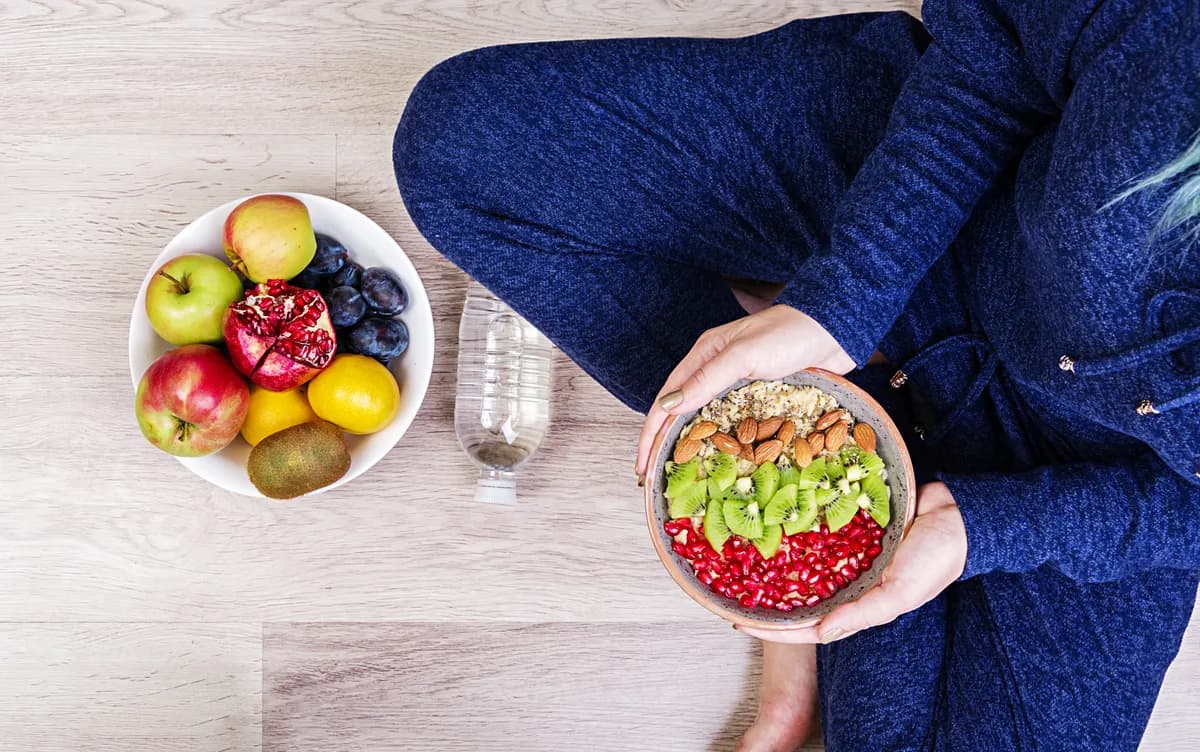
Fresh fruit, vegetables, whole grains, nuts and seeds are rich in antioxidants and vitamins. Spinach, berries, carrots and citrus fruits help fight free radicals and ease inflammation. Omega-3 fats from fish, flaxseed and walnuts may also help reduce pain and swelling.
2. Balance hormones with fibre
Fibre helps the body clear excess oestrogen, which can otherwise worsen endometriosis symptoms. Lentils and beans, whole grains, broccoli and flaxseed support hormone balance and also improve digestion and reduce bloating.
3. Add magnesium and zinc
Magnesium can ease muscle cramps and pain, while zinc supports ovulation and hormone regulation. Bananas, pumpkin seeds, beans and eggs are good sources.
4. Try a low-FODMAP approach if needed
Many women with endometriosis also have bloating or constipation. A low-FODMAP diet, which cuts down on foods that ferment in the gut such as some dairy, onions and wheat, can bring relief. It should be done with professional guidance so that your diet stays balanced.
5. Limit inflammatory triggers
Processed foods, excess sugar, caffeine, alcohol and red or processed meat can worsen inflammation. Reducing them may help with symptom control alongside treatment.
Diet and fertility
Nutrition does not replace medical care, but it plays a useful supporting role. A well-planned diet can help reduce inflammation, regulate hormones and prepare the body for conception, including for women having fertility treatment or IVF.
Small, consistent changes make a difference. At AMVI Hospitals, we encourage women to see food as one part of their treatment plan, alongside the care their gynaecologist recommends.
Frequently asked questions
No. Diet cannot cure endometriosis, but it can reduce symptoms and support medical and surgical treatment.
Many women notice less bloating and pain and more energy within four to six weeks of consistent changes, though this varies.
Not always. Some women feel better after reducing them, but it depends on individual tolerance. Notice how your body responds and discuss it with your doctor or dietitian.
A balanced diet supports hormone balance, egg quality and the health of the womb lining, which helps women who are also having fertility treatment or IVF.
Supplements such as omega-3 or magnesium may help some women, but take them only under medical supervision to avoid imbalances.
Have questions about this?
Talk it through with our team at Puppalaguda or Attapur.