What Every Woman Should Know About the Procedure, Recovery & Care of Episiotomy at AMVI Hospital
February 25, 2025 · 7 min read
Written & medically reviewed by Dr. Shaivalini Kamarapu
MBBS · MS (Obstetrics & Gynaecology) · Fellowship in Reproductive Medicine · 20+ years of clinical experience
Understanding episiotomy
Childbirth is a personal journey with many emotions, decisions and physical changes. Most deliveries go smoothly, but sometimes medical help is needed to protect mother and baby. One such step is an episiotomy, a small surgical cut to ease the birth.
The word can sound frightening, but knowing when it is needed, how it helps and how recovery works can make a big difference to your experience.
What is an episiotomy?
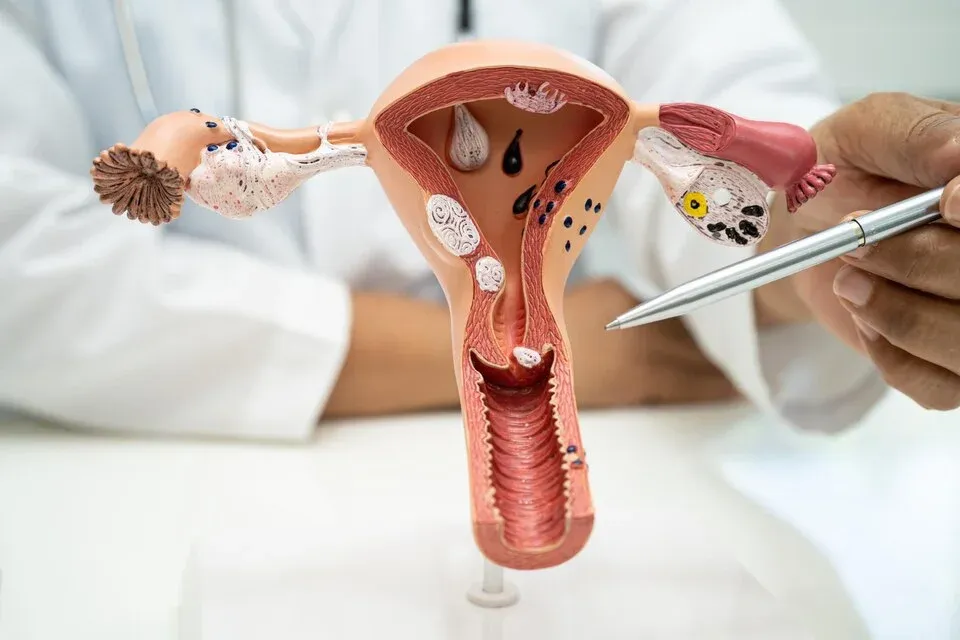
An episiotomy is a small, controlled cut in the perineum, the area between the vagina and the anus, made during the final stage of birth to widen the birth canal. It may be needed when:
- The baby is in an unusual position
- Labour is not progressing and needs help
- Forceps or a vacuum are needed
- There is a risk of a severe, uncontrolled tear
It is done under local anaesthesia and kept as small as possible. The aim is to protect both mother and baby while making delivery smoother.
When is an episiotomy necessary?
An episiotomy is no longer routine. It is recommended only when there is a clear medical reason, and your birth plan is respected. Your obstetrician may consider it if:
- The baby needs to be delivered quickly because of distress
- The baby's shoulders become stuck during birth
- The vaginal opening is not stretching enough
- Assisted delivery instruments are needed
- There is a high risk of a serious natural tear
Healing and recovery
Most women heal within two to four weeks. Soreness, mild swelling and tenderness are common and can be managed with proper care:
- Cold packs to reduce swelling
- Warm sitz baths to ease discomfort
- Personal hygiene advice from your gynaecologist
- Mild pain relief if needed
- Postnatal check-ups to make sure healing is on track
If problems such as infection, persistent pain or scarring develop, they can be assessed and treated promptly.
Does an episiotomy affect future fertility?
No, an episiotomy does not directly affect fertility. However, if healing leads to scar tissue or long-term pain, it can affect comfort and intimacy, which is why good follow-up matters.
Natural tear vs episiotomy
A natural tear may sound less clinical, but it is not predictable and can sometimes be deeper or more irregular than a clean surgical cut. If there is a high risk of a severe tear, your obstetrician may advise an episiotomy, explaining the reason and asking for your consent.
Ways to reduce the chance of needing one
It is not always avoidable, but you can prepare your body:
- Gentle antenatal exercise to improve flexibility
- Perineal massage in the last few weeks of pregnancy
- Learning breathing and controlled pushing techniques
- Discussing your birth preferences with your care team in advance
When additional care is needed
Rarely, recovery does not go as planned. Persistent pain or internal scarring may need further assessment, sometimes with minimally invasive techniques. If there are concerns about the appearance or comfort of the area after healing, perineal repair options can be discussed with a cosmetic gynaecologist.
Care at AMVI Hospitals
AMVI's maternity team handles routine and complex deliveries, with gynaecology, fertility, laparoscopy and cosmetic gynaecology care available under one roof for any follow-up needs, from pregnancy through to postnatal recovery and beyond.
Frequently asked questions
No. It is done under local anaesthesia, so you should not feel pain while it is being done. Afterwards there may be soreness, which is managed with aftercare and mild pain relief.
Sometimes. Perineal massage, staying active, a healthy weight and controlled pushing can lower the chance. But if the baby is in distress or an assisted delivery is needed, an episiotomy may be the safest option.
Most women heal within two to four weeks. Healing depends on your general health, aftercare and whether other procedures were needed.
Not directly. If scar tissue or pelvic discomfort develops, it can be assessed and treated.
Have questions about this?
Talk it through with our team at Puppalaguda or Attapur.