

HPVVaccination&CervicalCancerPrevention
Written & medically reviewed by Dr. Shaivalini Kamarapu
MBBS · MS (Obstetrics & Gynaecology) · Fellowship in Reproductive Medicine · 20+ years of clinical experience
0+
Years of Experience
0+
Successful Surgeries
0+
Happy Families
WhatisHPV?
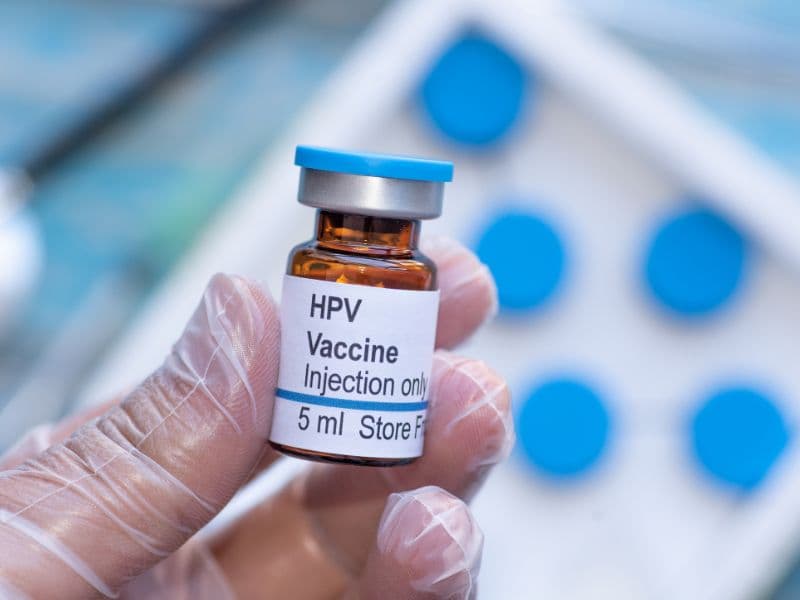
HPV vaccines protect against infection with human papillomavirus (HPV) — a group of more than 200 related viruses, over 40 of which spread through direct sexual contact. Some HPV types are considered "high risk" because they're linked to the development of certain cancers, while others cause conditions like warts. HPV infections usually cause no symptoms, so most people don't know they're infected.
Cancerslinkedtohigh-riskHPV
Cervical cancer — high-risk HPV types are found in more than 99% of cases
Vaginal cancer
Vulval cancer
Anal cancer
Cancer of the penis
Some cancers of the head and neck
TypesofHPVvaccine
Quadrivalent (Gardasil)
Targets HPV types 6, 11, 16, and 18.
9-valent (Gardasil 9)
Covers the same four types as the quadrivalent vaccine, plus types 31, 33, 45, 52, and 58.
Bivalent (Cervarix)
Targets HPV types 16 and 18 specifically.
Whenshouldthevaccinebegiven?
Before age 15
Two doses are given at 0 and 6–12 months. The vaccine is ideally given before the start of sexual activity and can be administered as early as age 9.
Age 15 or older
Three doses are given at 0, 1–2 months (typically 2), and 6 months. Minimum spacing is 4 weeks between the first two doses and 12 weeks between the second and third.
Age 27–45
Recommended on an individual basis, particularly for previously unvaccinated adults with future HPV exposure risk or occupational exposure — though effectiveness is reduced compared to earlier vaccination, especially if already sexually active.
Testing & revaccination
No HPV testing is required before vaccination, and no post-vaccination antibody testing is recommended. Protection lasts many years, so revaccination after a full course isn't typically needed.
Who should not get the HPV vaccine?
The HPV vaccine isn't recommended for pregnant women, or for anyone who has had a life-threatening allergic reaction to any vaccine ingredient or a previous dose. Those who are moderately or severely unwell should wait until they've recovered before vaccinating — and any severe allergies should always be discussed with your doctor beforehand.
Possiblesideeffects
Soreness, swelling, or redness at the injection site
Fever
Headache
Fatigue
Nausea
Muscle or joint pain
Brief fainting spells (possible after any injection, not unique to this vaccine)
Beyond the vaccine
Regular cervical screening, the HPV vaccine, and healthier lifestyle choices — such as not smoking and practising safe sex — work together to lower your overall risk of cervical cancer.