Endometriosis: Meaning, Symptoms, Causes and Treatment Options
November 26, 2026 · 9 min read
Written & medically reviewed by Dr. Shaivalini Kamarapu
MBBS · MS (Obstetrics & Gynaecology) · Fellowship in Reproductive Medicine · 20+ years of clinical experience
Painful periods are not always “normal”
Many women live with painful periods for years and are told it is “normal.” Some are told to take a painkiller and wait. But severe period pain, pain during sex, or trouble getting pregnant can sometimes point to a condition called endometriosis.
In this blog, we explain endometriosis in simple words: what it is, what symptoms to look for, what may cause it, what scar endometriosis means, how doctors find it, and how it is treated. If you have been struggling with pelvic pain or heavy periods, this will help you understand what may be going on and when to ask for medical help.
What is endometriosis? Understanding the meaning
Let us start with the endometriosis meaning. The inside of your uterus (womb) is lined with a soft layer of tissue. Every month, this layer thickens to get ready for a possible pregnancy. If you do not get pregnant, the layer breaks down and leaves your body as your period.
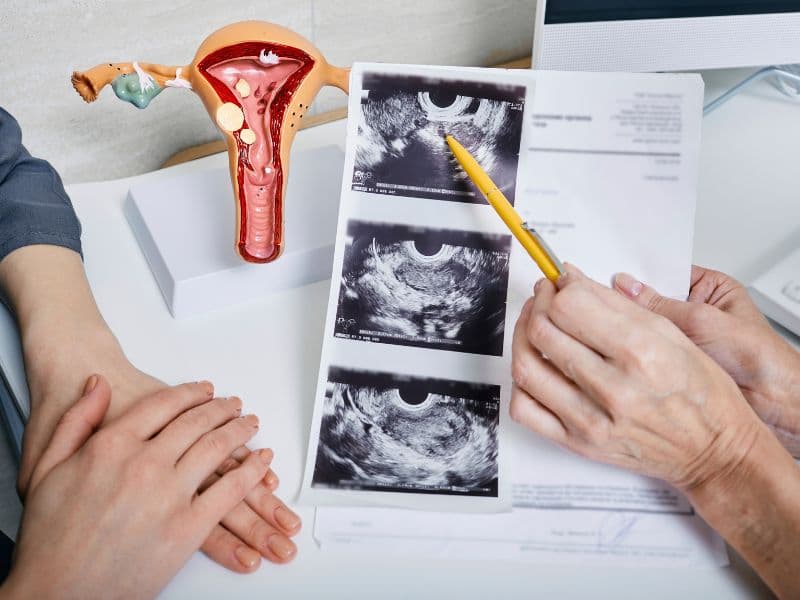
In endometriosis, tissue that is similar to this lining starts growing in places outside the uterus. It may grow on the ovaries, the fallopian tubes, the space behind the uterus, or the thin layer that covers the pelvic organs. Less often, it can be found on the bladder, bowel, vagina, or even higher up, such as the diaphragm.
Here is the problem. This tissue behaves like the lining inside the womb. It reacts to your monthly hormones, so it swells and bleeds each month. But the blood has no easy way to leave the body. Over time, this can cause irritation, swelling, cysts, and bands of scar tissue called adhesions. These changes are what lead to pain and, in some women, difficulty in conceiving.
So, if you have ever asked yourself, “what is endometriosis?”, the short answer is a long-term condition where womb-like tissue grows where it does not belong and causes pain and other problems. Endometriosis is common. It affects about one in every ten women of reproductive age around the world. It is most often found in women in their twenties and thirties, though it can also begin in the teenage years.
The good news is that the symptoms can often be managed well with the right care.
Common symptoms of endometriosis
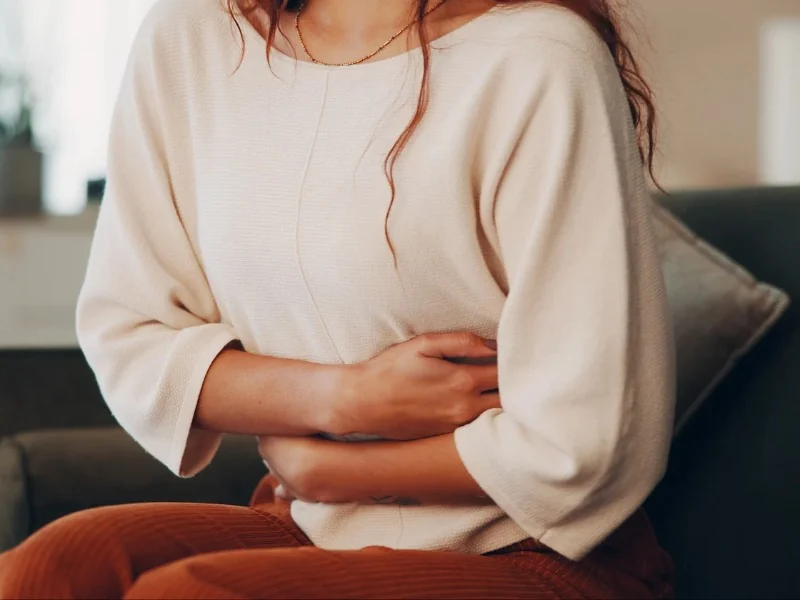
The symptoms of endometriosis are different for every woman. Pelvic pain is the most common one. For some it is mild, and for others it is strong enough to stop them from going to work or college. The pain often becomes worse just before and during periods.
Here are the signs that women most often report:
- Very painful period cramps
- Pain in the lower belly or lower back, during periods or between them
- Heavy bleeding during periods, or light spotting between periods
- Pain during or after sex
- Pain while passing stool or urine, mainly around periods
- Bloating, loose motions, or constipation
- Difficulty getting pregnant
Some women also feel very tired, and some say their stomach looks swollen during periods. It is a common belief that endometriosis causes weight gain. It does not do so directly, but bloating and water retention can make you feel heavier.
One more thing is important to know. The amount of pain does not tell you how serious the condition is. A woman with only a few small patches may have severe pain, while another woman with many patches may feel almost nothing. In fact, some women have no symptoms at all and only learn about endometriosis when they find it hard to conceive.
If your periods are so painful that you need to miss daily work again and again, please do not ignore it. It is a reason to see a doctor.
What causes endometriosis? Risk factors explained
Doctors do not know the exact cause of endometriosis. Researchers are still studying it. A few possible reasons are being looked at.
- Backward flow of period blood. During a period, some blood may flow backward through the fallopian tubes into the pelvis instead of leaving through the vagina. Tissue cells in that blood may attach themselves to pelvic organs and grow there. This is called retrograde menstruation. However, many women have this backward flow and never develop endometriosis, so other factors must also play a part.
- Immune system problems. The body normally clears away stray cells. In some women, the immune system may not do this job well.
- Hormones. Estrogen feeds endometriosis tissue. This is why symptoms are often linked to the menstrual cycle.
- Family history. If your mother, sister, or grandmother has endometriosis, your chance of having it is higher.
- Past surgery. Tissue cells can sometimes get trapped in a surgical cut, which can lead to scar endometriosis. We talk about this in the next section.
Some things can raise your risk. These include short monthly cycles (less than twenty-seven days between periods), periods that last longer than eight days, and never having had a child. On the other hand, endometriosis seems less likely in women who have been pregnant more than once or who have breastfed. Sadly, there is no sure way to prevent endometriosis.
Scar endometriosis: what it is and how to spot it
Scar endometriosis is a less common type of the condition. Here, endometriosis tissue grows in or near a scar on the skin or the belly wall. It is most often seen after a caesarean section (C-section), but it may also happen after a hysterectomy, a laparoscopy, or any other operation on the lower belly.
The thinking is that during surgery, a few cells from the womb lining can get left behind in the wound. Months or even years later, these cells may start to grow and react to monthly hormones.
Signs of scar endometriosis may include:
- A small, firm lump near or under an old surgical scar
- Pain or tenderness at the scar that gets worse during periods
- Swelling or a feeling of pulling around the scar
- Slight bleeding or colour change on the skin over the lump, in some cases
Many women think such a lump is a stitch problem or a hernia, so they wait for a long time. The clue is the timing. If the pain or swelling changes with your monthly cycle, it is worth getting checked by a gynaecologist.
A doctor will usually examine the area and may advise an ultrasound or an MRI scan. Treatment often involves removing the affected tissue with a small operation, because medicines alone may not give full relief. Your doctor will explain what suits your case after examining you.
How is endometriosis diagnosed?
Diagnosis usually begins with a simple talk. Your gynaecologist will ask about your periods, your pain, your past surgeries, and whether anyone in your family has had endometriosis. Please be open about all symptoms, even the ones that feel embarrassing, such as pain during sex or trouble with bowel movements. These details help a lot.
After that, the doctor may do a pelvic examination. Some tests that may be advised include:
- Ultrasound scan: This can show cysts on the ovaries, called endometriomas, and may sometimes show deeper patches.
- MRI scan: This gives a clearer picture of the pelvis and helps plan treatment if the condition looks deep or widespread.
- Laparoscopy: This is the most certain way to confirm endometriosis. A thin tube with a tiny camera is passed into the belly through a small cut, so the doctor can see the patches directly. A small piece of tissue may be taken for testing, which is called a biopsy.
Laparoscopy is helpful in two ways. It confirms the diagnosis, and in many cases the surgeon can treat the patches during the same procedure. You can read more about diagnostic laparoscopy.
It is also worth knowing that endometriosis is often found late, sometimes after many years of symptoms. So if something feels wrong, getting checked early is always a sensible step.
Endometriosis treatment and surgery options
There is no single treatment that suits everyone. Your doctor will choose a plan based on how strong your symptoms are, your age, how widespread the condition is, and whether you wish to have a baby now or in the future.
Pain medicines. Over-the-counter pain relievers such as ibuprofen may help with mild to moderate pain. Please take them only as your doctor advises.
Hormone treatment. Since the tissue grows with the help of hormones, treatment often tries to calm or pause the monthly cycle. Options include birth control pills, patches, vaginal rings, injections, implants, and hormone-releasing coils. Other medicines can lower estrogen in the body for a period of time. These medicines can ease pain and lighten periods, but symptoms may return after stopping them. They are not used when a woman is trying to get pregnant, so your plans for a baby matter a great deal in choosing treatment.
Surgery for endometriosis. Surgery may be suggested when medicines do not help enough, when there are large cysts, when organs like the bowel or bladder are involved, or when endometriosis is making it difficult to conceive. The aim is to remove or destroy the endometriosis tissue and free any organs that are stuck together.
Common surgical options include:
- Laparoscopic surgery: Done through very small cuts, with a camera and fine instruments. It usually means less pain and a quicker return to normal routine compared to open surgery. See endometriosis surgery.
- Robotic-assisted surgery: A form of keyhole surgery in which the surgeon controls fine instruments with the help of a robotic system. It gives a clear, magnified view and precise movement, which can be useful in complex pelvic surgery. Whether it is suitable depends on each patient's condition.
- Hysterectomy: In severe cases, when other treatments have not worked and a woman does not wish to have children, removal of the uterus, and sometimes the ovaries, may be discussed. This is a big decision and is taken only after full counselling.
Endometriosis is a long-term condition. Pain may return after surgery in some women, so many doctors suggest regular follow-up visits and, at times, a mix of surgery and medicines.
Endometriosis and getting pregnant. Yes, many women with endometriosis do get pregnant, but it can take longer. The condition can affect the ovaries, block the fallopian tubes, or disturb the way an egg and sperm meet. If you are trying to conceive, speak to a fertility specialist early. Depending on your case, treatment may include surgery, medicines to help ovulation, or assisted methods. You can read more on our fertility treatment page.
When should you see a doctor?
Please book a visit with a gynaecologist if you have:
- Period pain that stops you from doing daily work
- Pain during sex
- Heavy or long periods
- A painful lump near an old surgical scar
- Trouble getting pregnant after trying for a year (or six months if you are over thirty-five)
Early care can make a real difference to how you feel and to your fertility options.
Endometriosis care at AMVI Hospitals, Hyderabad
At AMVI Hospitals, endometriosis is assessed and treated by Dr. Shaivalini Kamarapu, a gynaecologist, fertility specialist and robotic surgeon, and her team. If you are looking for an endometriosis doctor in Hyderabad, you can book a consultation at our Puppalaguda or Attapur branch to discuss your symptoms and understand your options.
You can also read about endometriosis treatment, our gynaecology services and robotic surgery, visit our contact page, or go to the AMVI Hospitals home page.
Disclaimer: This blog is meant for general awareness only. It is not a substitute for medical advice, diagnosis, or treatment. Results and the right treatment differ from person to person. Please consult a qualified doctor for advice about your own health.
Frequently asked questions
It is a condition where tissue similar to the womb lining grows outside the womb, such as on the ovaries or tubes, and causes pain, heavy periods, or trouble getting pregnant.
Very painful periods, pelvic pain, pain during sex, heavy bleeding, and bloating around periods are often the first signs.
In some cases, symptoms ease, especially after menopause. But many women need ongoing care to keep symptoms under control.
No. Many women are helped with medicines alone. Surgery is considered when medicines are not enough, or when there are cysts, deep patches, or fertility problems.
Yes, it is possible, though it may take longer. A fertility specialist can guide you on the right way forward for your situation.
It is usually treated by removing the affected tissue through a small operation. Your doctor will decide after an examination and scan.
Have questions about this?
Talk it through with our team at Puppalaguda or Attapur.