
Pre-PregnancyCounselling—PlanforaHealthyPregnancy
Written & medically reviewed by Dr. Shaivalini Kamarapu
MBBS · MS (Obstetrics & Gynaecology) · Fellowship in Reproductive Medicine · 20+ years of clinical experience
0+
Years of Experience
0+
Successful Surgeries
0+
Happy Families
Whatispre-pregnancycounselling?
Pre-pregnancy counselling, also called preconception counselling, helps women and couples understand the risks and benefits involved before starting a pregnancy, so they can make fully informed decisions. It's a valuable step for every couple planning to conceive — not just those with an existing medical condition.
As with any woman being counselled about pregnancy, advice is given on exercise, diet, smoking, and alcohol consumption, along with a review of your individual health history to plan for the healthiest possible pregnancy.
Whathappensduringapre-pregnancycounsellingsession?
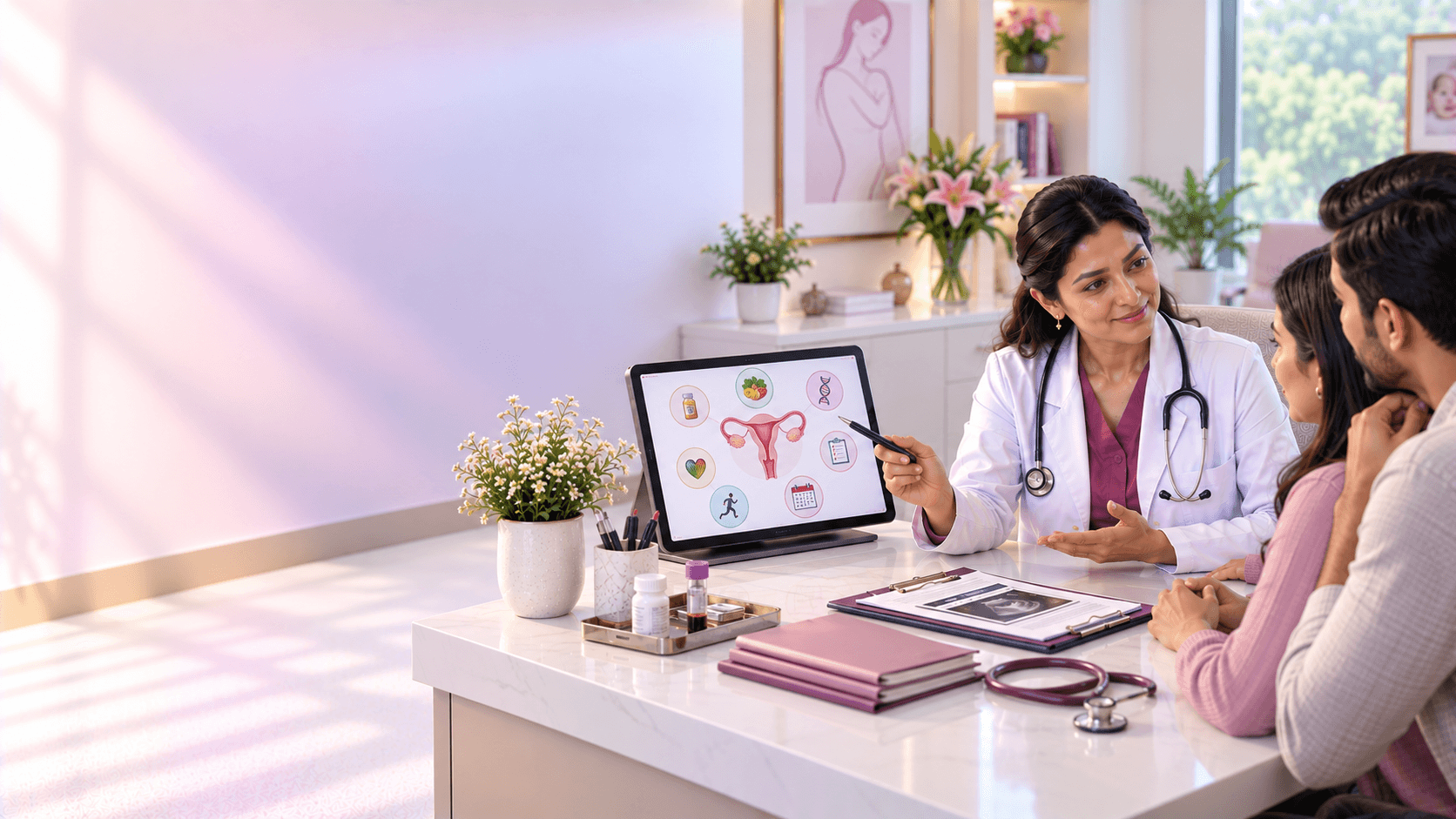
You can discuss and clarify with your doctor all the things that concern you before you get pregnant, like starting prenatal vitamins, diet, or any hereditary health issues. Topics covered during your pre-pregnancy counselling session include:
Reproductive history
Your doctor will discuss your menstrual history, use of contraceptives, any previous sexually transmitted diseases, vaginal infections, and Pap test results.
Medical and surgical history
You should inform the doctor about any past health problems so they can be managed while you plan your pregnancy. Any past surgeries or hospitalisations should also be brought to the doctor's notice.
Current medications
Discuss any prescription, over-the-counter medications, or herbal supplements you're currently taking, so your doctor can plan your medications to prevent potential problems during pregnancy.
Weight
It's always better to be at an ideal weight before conceiving. Gaining weight if underweight reduces the risk of a low birth-weight baby, and reducing weight if overweight lowers the risk of high blood pressure during pregnancy.
Workplace and home environment
Your doctor will discuss potential hazards to conception or maintaining a pregnancy, such as exposure to lead or certain toxic solvents, radiation, and cat faeces.
Lifestyle
The effect of habits like alcohol consumption, smoking, and recreational drug use on pregnancy will be discussed. You and/or your partner may be advised to stop these habits for a healthy pregnancy.
Exercise
Inform your doctor about the type of exercise you currently do, or if you don't exercise. Based on this, you may be advised to continue your normal routine during pregnancy until your doctor suggests otherwise.
Diet
Good dietary habits are beneficial during pregnancy. You'll be advised to consume food rich in folic acid, calcium, fibre and other nutrients, and reduce caffeine intake — found in coffee, chocolate, soft drinks and some medications — before getting pregnant.
Family health history
Inform your doctor about any hereditary medical conditions or multiple births in your family.
Prenatal vitamins
You should start taking folic acid supplements before conceiving, as folic acid reduces the chances of neural tube defects in your baby.
Advice for women over 35
Women older than 35 will be advised on the risks of infertility, chromosomal abnormalities in the child, and pregnancy complications such as miscarriage and labour problems.
Yourdoctormayalsorecommend
Physical exam of your abdomen, heart, breasts, thyroid and lungs
Pap smear and pelvic examination
Lab tests to screen for hepatitis, HIV, rubella, syphilis and other conditions
Charting menstrual cycles to monitor ovulation and determine the most favourable time to get pregnant
Appropriate vaccinations against rubella or chickenpox, with a recommended delay in conception of about a month afterward
Genetic counselling for older mothers or those with a risk of hereditary diseases, to help you understand the chances of birth defects or intellectual disability in the child
Whyconsiderpreconceptioncounselling?
Pre-conception counselling is an important step before planning a pregnancy for every couple. There are several reasons couples consider it an essential measure before conceiving:
Achieving good health for both partners for easier and more natural conception
Avoiding or minimising pregnancy complications
Achieving an optimum body weight/BMI before pregnancy
Screening for sexually transmitted infections (STIs) and treating them before pregnancy
Relevant vaccinations and cervical cancer screening (Pap test)
Starting preconception folic acid to help prevent neural tube defects in the baby