

PreimplantationGeneticScreening(PGS)
Written & medically reviewed by Dr. Shaivalini Kamarapu
MBBS · MS (Obstetrics & Gynaecology) · Fellowship in Reproductive Medicine · 20+ years of clinical experience
0+
Years of Experience
0+
Successful Surgeries
0+
Happy Families
WhatisPreimplantationGeneticScreening(PGS)?
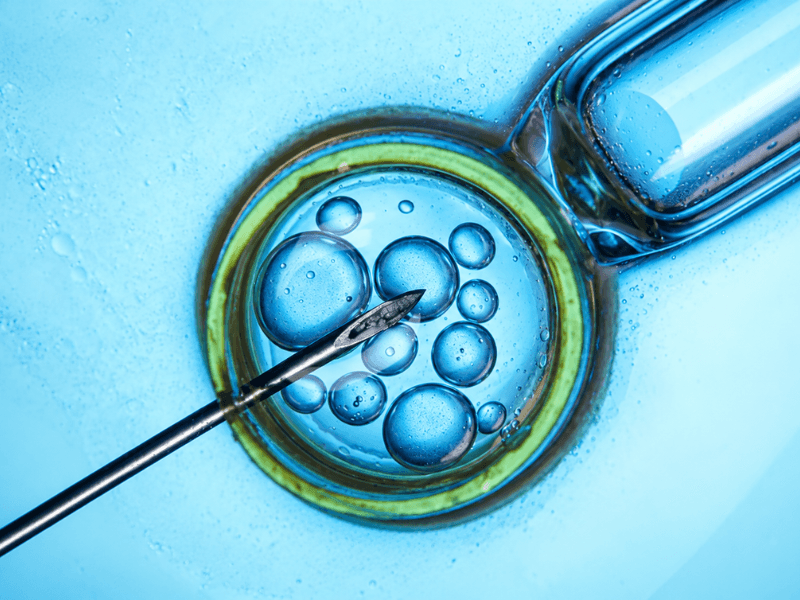
Preimplantation Genetic Screening (PGS) checks an embryo's chromosomal material before it's transferred during an IVF cycle. It screens all 23 chromosome pairs for abnormalities — a major cause of failed implantation and early miscarriage — helping identify which embryos are chromosomally healthy before transfer.
WhyPGS?
Higher successful implantation rates
Better outcomes for single embryo transfer
Improved fertility success rates for women above 35
Detection of chromosomal abnormalities before implantation
WhenisPGSrecommended?
Frequent or recurrent miscarriages
Repeated IVF failures
Either partner carrying a hereditary disorder, such as colour blindness or thalassemia
Whether PGS is right for you depends on your individual medical history — your doctor will help determine if it's a fit for your treatment plan.
HowPGStestingworks
IVF cycle begins
Eggs are collected and fertilised as part of a standard IVF cycle.
Embryo development
Embryos are cultured and allowed to develop for 3 to 5 days.
Biopsy
An embryologist carefully removes a small number of cells from the embryo for testing.
Chromosomal analysis
The removed cells are screened across all 23 chromosome pairs for abnormalities.
Embryo selection
A chromosomally healthy embryo is selected and transferred into the uterus.
Freezing remaining embryos
Any additional healthy embryos are frozen for potential future use.
AdvantagesofPGSatAMVIHospital
All 23 chromosome pairs are screened, unlike the older FISH technique which checks only five
Array CGH — a modern micro-array procedure — is used for genetic screening
Reports are turned around quickly to support a fresh blastocyst transfer where possible
A dedicated team of IVF specialists and embryologists oversees the full screening process
The lab follows international standards for genetic testing
PGS vs. PGD — what's the difference?
PGS screens only for chromosomal abnormalities. Preimplantation Genetic Diagnosis (PGD) is a related but different test, used to check for specific single-gene mutations tied to inherited conditions such as cystic fibrosis, sickle cell anaemia, muscular dystrophy, Huntington's disease, and Fragile X syndrome.
WhataretherisksofPGS?
Most risks associated with PGS are the same as those for a standard IVF cycle. A few additional possibilities are specific to the screening process itself:
Some embryos may be affected by the cell-removal process itself
Results can occasionally be inconclusive due to technical factors
Chromosomal mosaicism — where an embryo contains cells with different chromosomal makeups — can occasionally lead to an inaccurate result