

LowSpermCount(Oligospermia)Treatment
Written & medically reviewed by Dr. Shaivalini Kamarapu
MBBS · MS (Obstetrics & Gynaecology) · Fellowship in Reproductive Medicine · 20+ years of clinical experience
0+
Years of Experience
0+
Successful Surgeries
0+
Happy Families
Whatisoligospermia(lowspermcount)?
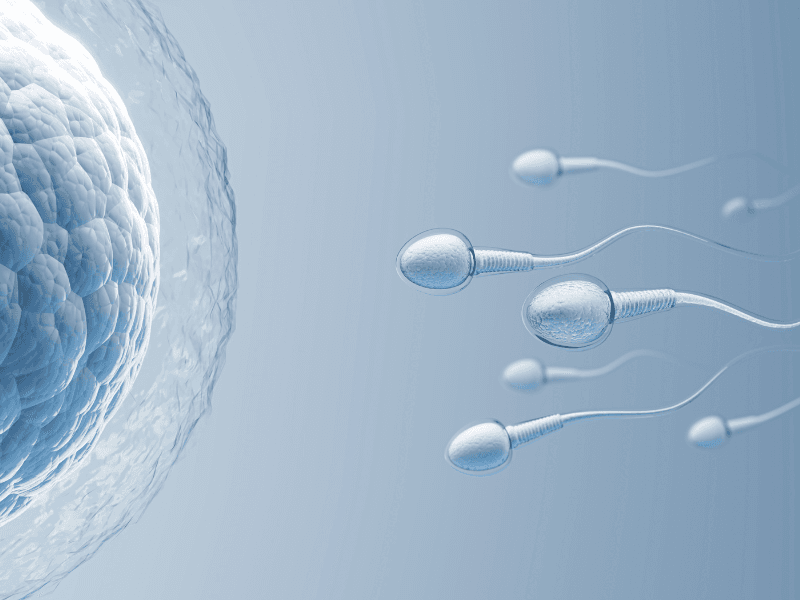
Oligospermia — commonly known as low sperm count — is a condition in which semen contains fewer sperm than normal, reducing the chances of natural conception. According to WHO guidelines, a sperm count below 16 million per millilitre is considered low.
It's one of the most common causes of male infertility, but it's often treatable with timely diagnosis, medical care, and the right fertility treatment for the underlying cause.
Whocangetoligospermia?
Men planning pregnancy but facing repeated conception delays
Men with hormonal or reproductive health issues
Individuals exposed to environmental or occupational risk factors
Men with past infections, injuries, or genetic conditions
Younger and older men alike, depending on underlying causes
Effectsonfertility
Decreased likelihood of natural pregnancy
Fewer healthy sperm reaching the fallopian tubes
Reduced sperm competition to fertilise the egg
Increased time required to achieve conception
Higher reliance on assisted reproductive techniques such as IUI, IVF, or ICSI
The degree of impact largely depends on how low the sperm count is, along with overall sperm quality.
Typesofoligospermia
Mild oligospermia
Sperm count between 10 and 16 million/ml. Natural conception is still possible, though chances may be somewhat reduced.
Moderate oligospermia
Sperm count between 5 and 10 million/ml. Fertility is moderately affected, and medical assistance may be needed.
Severe oligospermia
Sperm count below 5 million/ml. Natural conception becomes difficult, and advanced fertility treatment is often recommended.
Symptomsofoligospermia
Difficulty achieving pregnancy despite regular unprotected intercourse
Often no obvious physical symptoms — usually found during fertility testing
Reduced sexual desire due to hormonal imbalance
Decreased facial or body hair growth in some men
Erectile or ejaculation-related issues in rare cases
Smaller or softer testicles in certain conditions
Causesofoligospermia
Environmental & occupational causes
Exposure to heat, radiation, chemicals, pollutants, or industrial toxins can reduce sperm production.
Lifestyle-related causes
Smoking, alcohol use, chronic stress, poor sleep, inactivity, and unhealthy eating can negatively affect sperm count.
Medical & genetic causes
Varicocele, hormonal imbalance, genetic disorders, and undescended testicles can all affect sperm development.
Health-related factors
Reproductive tract infections, childhood mumps, chronic illness, obesity, and metabolic disorders may lower sperm count.
Trauma & medication-related causes
Testicular injury, along with certain medications or medical treatments, can interfere with sperm production.
Idiopathic oligospermia
In many cases, no clear cause is identified even after thorough evaluation.
Diagnosisofoligospermia
Medical history evaluation
Past illnesses, surgeries, medications, fertility history, and lifestyle habits like smoking, alcohol use, and occupational exposure are reviewed.
Physical examination
A focused exam of the reproductive organs checks for varicocele, testicular abnormalities, or hormonal signs.
Semen analysis
The most important diagnostic test — assessing sperm count, motility, morphology, and semen volume. More than one sample is often needed for accuracy.
Hormonal testing
Blood tests measure testosterone, FSH, and LH — hormones that play a key role in sperm production.
Genetic testing
For severe oligospermia, genetic testing may be advised to detect chromosomal or genetic conditions affecting fertility.
Ultrasound examination
Scrotal or pelvic ultrasound identifies structural problems, varicoceles, blockages, or abnormalities in the reproductive tract.
Post-ejaculation urine test
Checks for retrograde ejaculation, where semen flows backward into the bladder instead of exiting normally.
Advanced imaging (if required)
Doppler ultrasound may be used to assess blood flow and confirm any vascular issues affecting sperm production.
Treatmentoptions
Varicocele treatment
Surgical correction may be advised for a clinically significant varicocele, which can improve sperm count and quality in selected cases.
Hormonal treatment
When a hormonal imbalance is identified, medication can help restore normal hormone levels and support sperm production.
Diet & physical activity
A balanced diet, regular exercise, and a healthy weight can positively influence sperm health.
Avoiding harmful exposures
Quitting smoking, limiting alcohol, and reducing exposure to heat, pollution, and toxins can help improve sperm quality.
Hormone-stimulating medication
Certain medications can stimulate natural hormone production to support sperm development.
Antioxidant therapy
Antioxidant supplements may help reduce oxidative stress and improve sperm function and motility.
Intrauterine insemination (IUI)
Processed sperm is placed directly into the uterus during ovulation to improve the chance of fertilisation.
In vitro fertilisation (IVF)
Eggs and sperm are fertilised outside the body, and healthy embryos are transferred into the uterus.
ICSI
A single sperm is injected directly into an egg — especially effective for very low sperm count or poor sperm quality.
Howtohelppreventoligospermia
Eat a balanced, nutrient-rich diet
Exercise regularly
Maintain a healthy body weight
Avoid smoking and tobacco
Limit alcohol consumption
Stay away from illicit drugs
Reduce exposure to toxins and chemicals
Go for regular health check-ups
Avoid excessive heat to the testicles
Practice safe sex
Treat infections promptly
Manage stress effectively
Get adequate sleep
Avoid unnecessary medications
FAQsrelatedtolowspermcount
It can be temporary or long-term depending on the cause. Sperm count linked to lifestyle factors, infections, or hormonal imbalance often improves with treatment, while some conditions need ongoing medical management.