
PhysiologicalIntracytoplasmicSpermInjection(PICSI)
Written & medically reviewed by Dr. Shaivalini Kamarapu
MBBS · MS (Obstetrics & Gynaecology) · Fellowship in Reproductive Medicine · 20+ years of clinical experience
0+
Years of Experience
0+
Successful Surgeries
0+
Happy Families
WhatisPICSI?
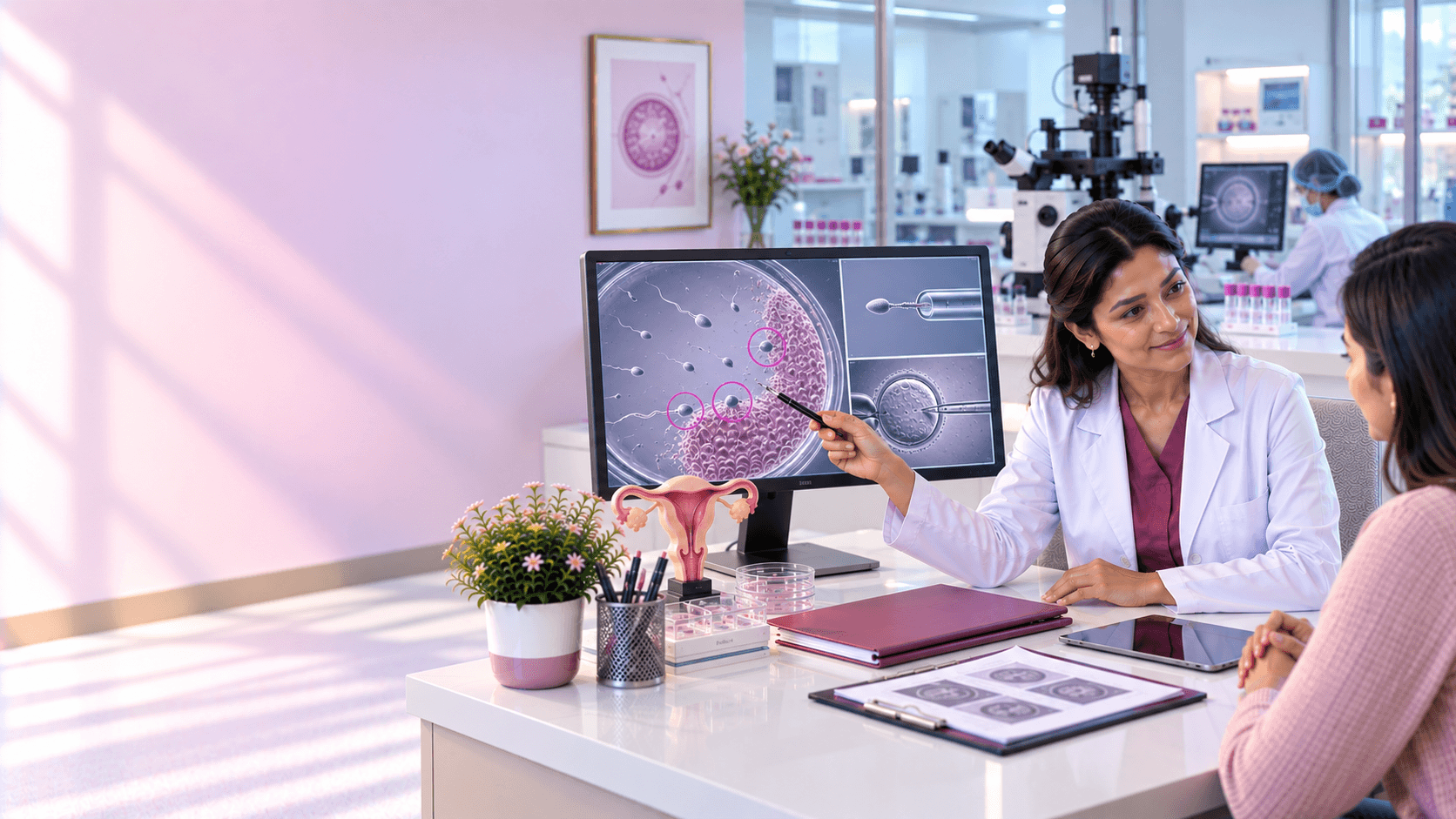
PICSI (Physiological Intracytoplasmic Sperm Injection) is an advanced fertility technique designed to improve IVF success by selecting healthier, more mature sperm. It closely mimics natural fertilisation by allowing sperm to bind to hyaluronan — the same substance naturally found around a human egg.
Unlike standard ICSI, where sperm selection relies mainly on how sperm look and move under a microscope, PICSI focuses on biological maturity and DNA integrity. Only sperm capable of binding to hyaluronan are chosen, aiming to improve the odds of successful fertilisation and healthy embryo development.
TheprinciplebehindPICSI
Hyaluronic acid is a natural component of the egg's outer layer
Only mature sperm carry the receptors needed to bind to hyaluronic acid
This binding process occurs naturally during fertilisation
In PICSI, sperm are placed in a hyaluronic acid–coated dish
Sperm that successfully bind are selected for fertilisation
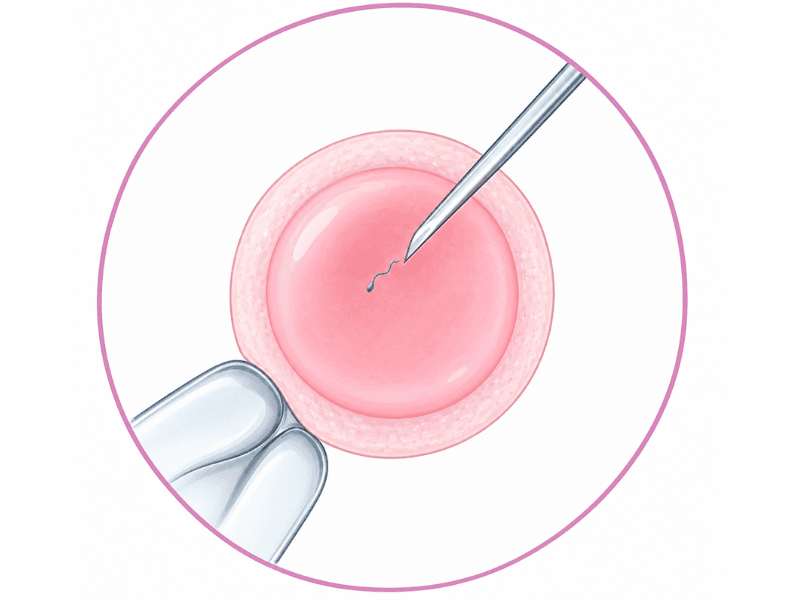
The selected sperm are then injected into the egg using the ICSI technique
Hyaluronic acid–bound sperm tend to show better morphology, stronger DNA integrity, and fewer chromosomal abnormalities
WhoisPICSIrecommendedfor?
High sperm DNA fragmentation (high DFI)
Women above 38 years of age
Previous failed ICSI cycles
Poor embryo quality
History of recurrent miscarriages
Male factor infertility with low sperm quality
Low sperm motility or abnormal sperm morphology
HowisPICSIperformed?
Preparation of the PICSI dish
A special dish coated with hyaluronan — mimicking the natural layer around the egg — is prepared using ready-to-use dishes common in modern labs.
Semen sample collection
A semen sample is collected from the male partner and processed to separate healthy sperm from other components.
Sperm binding process
The prepared sperm sample is placed onto the hyaluronan-coated dish, where only mature, functionally healthy sperm bind to the surface.
Selection of healthy sperm
Sperm bound to the hyaluronan are identified under a microscope as the higher-quality candidates.
Sperm injection
The selected sperm are individually injected into the egg using the ICSI technique to achieve fertilisation.
PICSIvs.IVFvs.ICSI
IVF
Fertilisation happens naturally by placing eggs and sperm together in a lab dish.
ICSI
A single sperm is selected by appearance and movement, then injected directly into the egg.
PICSI
An advanced form of ICSI where sperm are first tested for natural hyaluronan-binding ability before injection, as a marker of maturity and quality.
How PICSI may influence IVF success
Some clinical research suggests PICSI can improve embryo quality and reduce miscarriage risk in select cases — particularly where male factor infertility or high sperm DNA fragmentation is involved — by favouring sperm with more intact DNA. Evidence on how much it improves outcomes across all patients is still evolving, so whether it's likely to help in your specific case is best discussed directly with your fertility specialist.
Testimonials
“Chose PICSI at the Attapur centre and found the whole process genuinely reassuring — every step was explained clearly and patiently.”
Anjali R
“Our PICSI treatment at the Puppalaguda branch was handled with real care, with transparent counselling tailored to our specific situation.”
Suresh & Kavya M
“Felt well supported throughout PICSI at the Attapur centre — everything was explained calmly and professionally.”
Neha P.
“After a previous IVF failure, we tried PICSI at Puppalaguda, and the personalised approach gave us real renewed confidence.”
Rahul & Sneha K
“A smooth, well-organised PICSI experience at Attapur, with the team patiently answering every question we had.”
Pooja S
FAQsrelatedtoPICSI
Research suggests PICSI can enhance embryo quality and improve pregnancy outcomes in some cases by selecting sperm with better maturity and genetic stability, particularly in male infertility cases.